

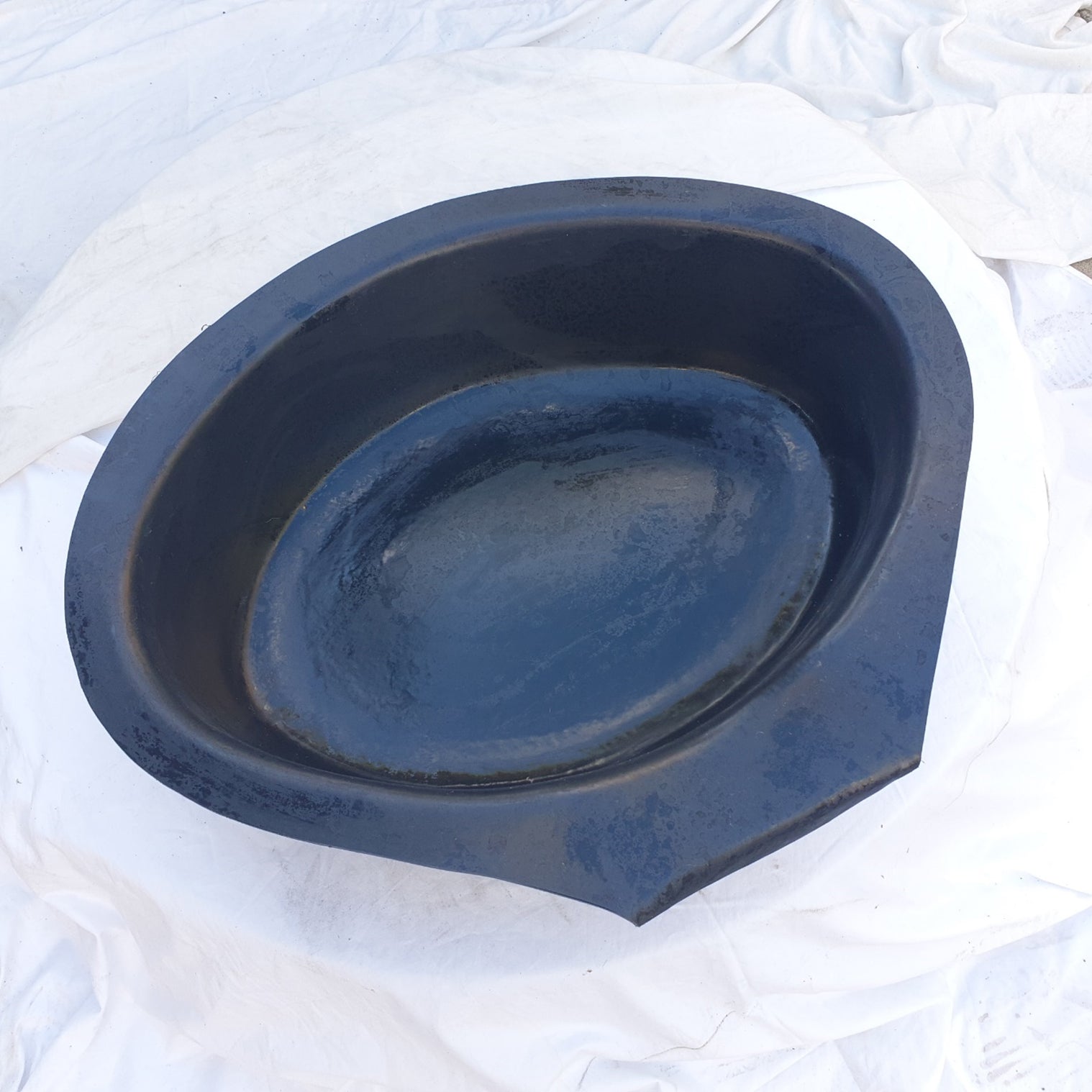
A composting toilet is a waterless toilet system designed to manage human organic waste through a natural composting process. Instead of using large amounts of water to flush waste into a sewer, septic tank or wastewater system, a composting toilet system collects waste in a secure composting chamber where it can break down naturally over time.
Composting toilets are a practical choice for off-grid homes, tiny homes, baches, cabins, rural properties, lifestyle blocks, campsites, parks, council facilities, tourism sites and commercial locations. They are especially useful where mains sewerage is not available, water supply is limited, septic installation is difficult, or customers want a more sustainable and low-water toilet solution.

What Is a Composting Toilet?
A composting toilet, also known as a compost toilet, waterless toilet, eco toilet or off-grid toilet, is a toilet system that uses little to no water. Waste is collected in a chamber rather than being flushed away. Over time, the waste is broken down through aerobic composting, which uses naturally occurring bacteria, oxygen, airflow and time.
The aim of a composting toilet is to reduce water use, lower wastewater demand and create a more environmentally friendly way to manage human organic waste. This makes composting toilets a popular option for properties that need a reliable toilet system without depending on traditional flushing toilets.
The Composting Process
Most composting toilet systems have a composting chamber located below or near the toilet. When the toilet is used, waste enters the chamber where the composting process begins. Airflow and ventilation help support aerobic bacteria, which break down the waste in a controlled environment.
This process works in a similar way to garden composting, but inside a secure system designed for toilet waste. Good ventilation, correct use and regular maintenance are important for helping the system work effectively and reducing unwanted odours.
Over time, the waste breaks down into a more stable composted material. This reduces the volume of waste and helps manage human organic waste in a more sustainable way.

No Power, No Water, No Chemicals
One of the biggest benefits of a waterless composting toilet is that it can operate with no water. This helps reduce water consumption and makes composting toilets ideal for areas where water supply is limited or where water-saving systems are important.
A composting toilet can also reduce pressure on septic systems, wastewater systems and traditional plumbing. For off-grid sites, rural properties, tiny homes and remote locations, this can make a composting toilet a practical and cost-effective long-term solution.
Key benefits include:
- No large flush water requirement
- Reduced wastewater output
- Lower pressure on septic or sewer systems
- Suitable for off-grid and rural sites
- Environmentally friendly waste management
- Practical for homes, farms, parks, campsites and commercial sites
Do Composting Toilets Smell?
A common question people ask is whether composting toilets smell. A properly designed and installed composting toilet uses airflow, ventilation and correct waste management to help reduce odour.
Smell is usually controlled by keeping the composting process aerobic, allowing air to move through the system, and following the correct maintenance process. Good ventilation is an important part of any composting toilet setup.
When used correctly, a composting toilet can be a clean, practical and sensible alternative to a standard flushing toilet.
Composting Toilets and Grey Water Systems
A composting toilet is designed to manage toilet waste, but other household wastewater still needs to be considered. Water from showers, sinks, hand basins, laundry areas and kitchens is known as grey water. For many off-grid, rural and tiny home setups, a grey water system may be needed alongside a composting toilet to help manage the rest of the property’s wastewater.
A composting toilet and grey water system can work together to create a more complete wastewater solution for properties that are not connected to mains sewerage. The composting toilet reduces the amount of water used for flushing and manages toilet waste separately, while the grey water system handles used household water and helps process it through to a drip field.
Kiwi Tanks offers both a 600L Grey Water System and an 1800L Grey Water System, giving customers options depending on the size of the property, the available space and the expected amount of grey water being produced. These systems are designed to remove fats and solids from grey water before it is dispersed, helping create a practical wastewater setup for off-grid homes, rural properties, tiny homes, baches, campsites and other sites where mains sewerage is not available.
The 600L Grey Water System is a compact option that works well for smaller setups or tighter installation areas. It can be a suitable choice for tiny homes, cabins, small baches, compact off-grid dwellings, leisure areas and properties where the grey water demand is lower. Its smaller size makes it easier to position where space is limited, while still providing a dedicated system for managing grey water from everyday use.
The 1800L Grey Water System is better suited to larger households, higher-use properties or sites with greater grey water needs. This may include rural homes, lifestyle blocks, campgrounds, parks, tourism sites, public facilities, commercial sites and shared-use areas. The larger capacity makes it a more suitable option where more water is being produced from showers, sinks, hand basins, laundry areas or kitchen use.
Both the 600L and 1800L Grey Water Systems are designed to process grey water through to a drip field. They operate without mechanical components, are made from high-grade plastic, allow for easy cleaning and are designed to help eliminate odours when installed and used correctly. Each system also includes key components for the grey water and leach field setup, including leach field pipe, joiners, reducers, a breather, bend, filter sleeve and distribution box.
When paired with a composting toilet, a grey water system helps separate toilet waste from other household wastewater. This can be especially useful on sites where water conservation, low-maintenance waste management and off-grid living are important. It also helps customers plan for a more complete wastewater solution rather than only addressing the toilet system.
This is especially useful for:
- Tiny homes
- Baches and cabins
- Off-grid homes
- Rural properties
- Lifestyle blocks
- Campsites
- Parks and leisure areas
- Tourism sites
- Council facilities
- Commercial sites
- Worksites
- Remote buildings
- Public toilets and amenities
- Shared accommodation areas
- Eco-retreats and glamping sites
Kiwi Tanks can help customers choose between the 600L and 1800L Grey Water System depending on their property, water use, space available and installation requirements. For many New Zealand properties, combining a composting toilet with a suitable grey water system can provide a practical, water-saving and more complete approach to wastewater management.
Domestic and Commercial Composting Toilet Systems
Kiwi Tanks supplies domestic and commercial composting toilet systems for different property types and usage levels.
Domestic Composting Toilet Unit
The domestic composting toilet unit is designed for 4–5 people. It is suitable for homes, tiny homes, baches, cabins, rural properties, lifestyle blocks and small off-grid sites.
This option is ideal for customers who need a reliable off-grid toilet system or a no water toilet solution for regular domestic use.
Commercial Composting Toilet Unit
The commercial composting toilet unit is designed for 20–25 people. It is suitable for campsites, parks, public facilities, farms, tourism sites, leisure areas, council facilities and commercial properties.
This option is suitable for higher-use sites where a practical, environmentally friendly and no water waste management system is required.
Where Can Composting Toilets Be Used?
Composting toilets are suitable for a wide range of locations where a standard flush toilet, sewer connection or septic system may not be practical.
Common uses include:
- Off-grid homes
- Orchards
- Tiny homes
- Baches and cabins
- Rural properties
- Lifestyle blocks
- Farms
- Campsites
- Parks and recreation areas
- Council facilities
- Commercial sites
- Remote locations
- Tourism sites
- Other areas where sewer connections are not an option
A composting toilet is a sensible option for properties wanting to reduce water usage, manage waste more sustainably and avoid relying completely on traditional wastewater systems.
Are Composting Toilets Legal in New Zealand?
Many customers search for composting toilet NZ, composting toilets New Zealand, council approved composting toilet NZ and do composting toilets need consent.
Rules can vary depending on your property, council area, building type and installation setup. Before installing a composting toilet, it is important to check local council requirements, building rules, wastewater requirements and any consent obligations that may apply.
This is especially important for permanent dwellings, tiny homes, public facilities, commercial locations and sites used by multiple people.
Kiwi Tanks can help you choose a suitable composting toilet system and discuss the setup, but customers should always confirm local council requirements for their specific property or site.
Choosing the Right Composting Toilet System
When choosing a composting toilet, consider:
- How many people will use the toilet
- Whether it is for domestic or commercial use
- Whether the site is used full-time, part-time or seasonally
- Whether the property is off-grid or connected to services
- Whether a grey water system is also required
- How much space is available
- Site access and delivery access
- Ventilation requirements
- Maintenance and emptying needs
- Council or consent requirements
- Long-term use and expected demand
Choosing the right system helps ensure your composting toilet suits your property, number of users, installation area and intended use.
Why Choose a Composting Toilet?
A composting toilet system is a practical choice for customers who want a low-water, environmentally friendly and cost-effective waste management solution. It can help reduce water use, reduce pressure on wastewater systems and provide a reliable toilet option for properties where traditional sewer or septic systems may not be suitable.
Composting toilets are commonly chosen by people looking for:
- Waterless toilets
- Eco toilets
- Off-grid toilets
- Compost toilet systems
- Tiny home toilets
- Rural toilet systems
- Low-water toilet systems
- Environmentally friendly waste management
- Sustainable human waste management
- Composting toilets and grey water systems

Contact Us
If you are not sure which composting toilet is right for your property or site, Kiwi Tanks can help. Tell us about your property, number of users, site access, available space and intended use, and we can recommend a suitable Bio-Loo composting toilet system, grey water system, setup and delivery option.
Contact Kiwi Tanks for help choosing the right domestic composting toilet, commercial composting toilet, waterless toilet system, custom setup and delivery option for your New Zealand property or site.